In the long history of motion pictures, certain years stand out as high-water marks for the medium. Critics often point to 1939, 1974, or 1999 as years that redefined the art form. However, as we look back with the benefit of several years of hindsight, 2019 has earned its place in that prestigious pantheon. It was a year where the tension between traditional cinema and streaming giants reached a fever pitch, where international films shattered long-standing barriers, and where master directors at the top of their game delivered some of their most personal work.
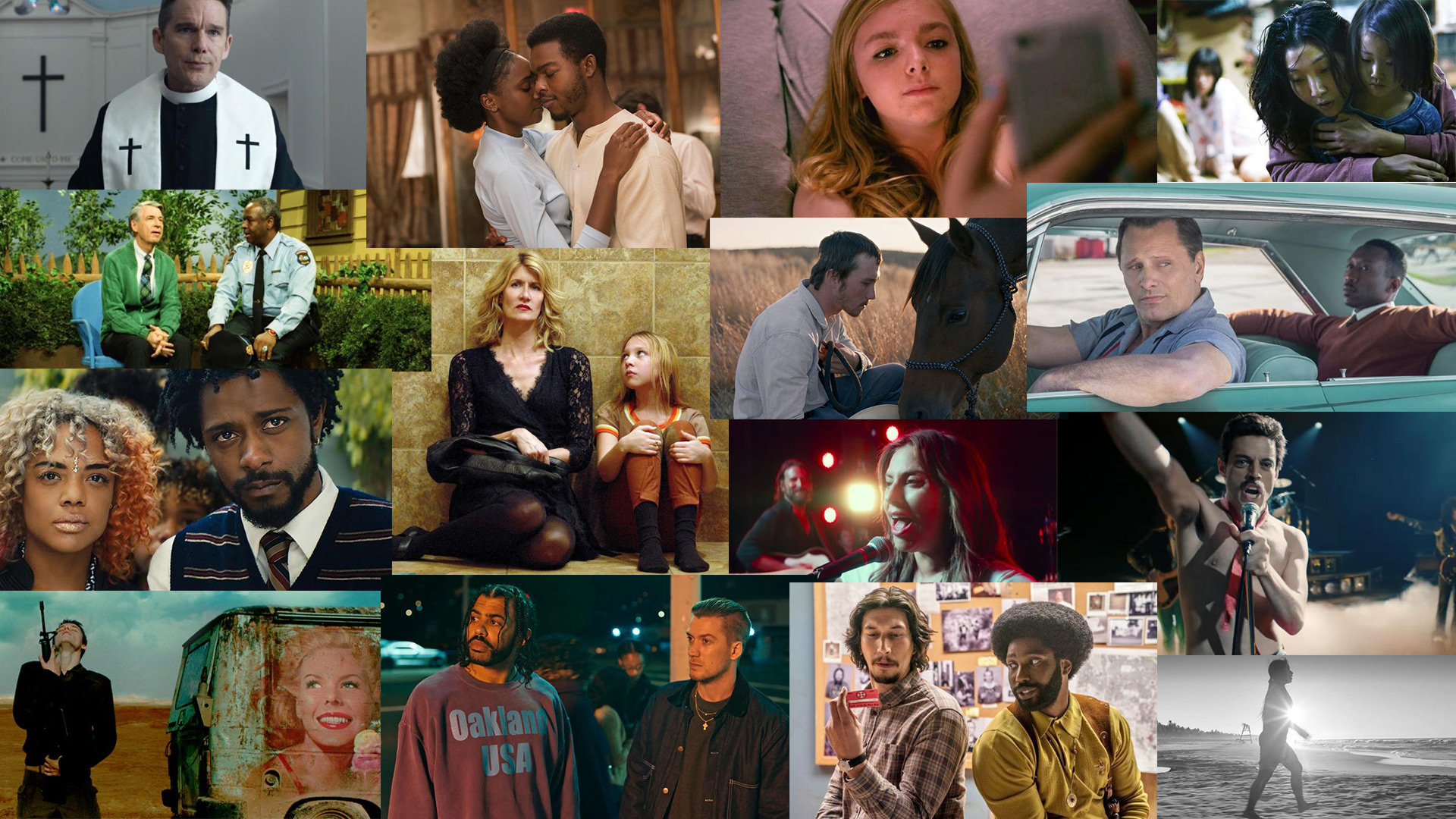
From the rain-soaked streets of Seoul to the sun-drenched hills of 1960s Hollywood, the cinema of 2019 offered a diverse, challenging, and deeply entertaining array of stories. Here, we revisit the finest films of that landmark year and explore why they continue to resonate with audiences today.
The Global Phenomenon: Parasite
It is impossible to discuss 2019 without beginning with Bong Joon-ho’s Parasite. While international films have always had a place in the hearts of cinephiles, Parasite did something unprecedented: it became a genuine global pop-culture phenomenon. This South Korean masterpiece is a masterclass in tonal shifting, beginning as a dark, satirical comedy about a poor family grifting their way into the service of a wealthy household, before spiraling into a harrowing thriller and a heartbreaking tragedy.
Parasite resonated so deeply because its themes of class struggle and the “parasitic” nature of late-stage capitalism are universal. Its historic win at the Academy Awards—becoming the first non-English language film to win Best Picture—symbolized a shift in the global cinematic landscape. It proved that audiences were finally ready to “overcome the one-inch tall barrier of subtitles,” as Bong Joon-ho famously put it.
The Masterpieces of the Old Guard: Scorsese and Tarantino
2019 was also the year that two of cinema’s most influential titans returned with some of their most reflective work. Martin Scorsese’s The Irishman was a monumental achievement in the gangster genre. Rather than focusing on the glamour of the mob, Scorsese delivered a somber, three-and-a-half-hour epic about aging, betrayal, and the ultimate emptiness of a life lived through violence. The use of de-aging technology allowed Robert De Niro, Al Pacino, and Joe Pesci to span decades, creating a swan song for a specific era of American filmmaking.
Meanwhile, Quentin Tarantino gave us Once Upon a Time in Hollywood, a love letter to the industry that raised him. Set in 1969 Los Angeles, the film follows a fading television actor and his stunt double as they navigate a changing cultural landscape. It is perhaps Tarantino’s most “gentle” film, favoring atmosphere and character interaction over plot-driven violence, until its explosive and revisionist finale. It captured a moment in time with such vivid detail that it felt less like a movie and more like a time-traveling experience.
A New Vision of the “Joker”
While superhero cinema continued its box office dominance in 2019 with Avengers: Endgame, Todd Phillips’ Joker offered a radical departure from the genre. By stripping away the capes and the special effects, Phillips created a gritty, psychological character study heavily influenced by the 1970s cinema of New York. Joaquin Phoenix’s transformative performance as Arthur Fleck won him an Oscar and sparked a worldwide conversation about mental health and societal neglect. Joker proved that comic book characters could be used as vessels for complex, “R-rated” adult drama, further blurring the lines between blockbusters and prestige cinema.
The Rise of Independent Voices and Intimate Dramas
Amidst the giants, 2019 was a stellar year for independent and medium-budget dramas. Noah Baumbach’s Marriage Story provided a devastatingly honest look at the mechanics of divorce, powered by career-best performances from Adam Driver and Scarlett Johansson. Celine Sciamma’s Portrait of a Lady on Fire offered a breathtakingly beautiful and sensory exploration of the female gaze and forbidden love in 18th-century France.
Furthermore, Greta Gerwig’s adaptation of Little Women breathed fresh life into a classic text. By rearranging the timeline and leaning into the themes of female economic agency, Gerwig made a century-old story feel vital and modern. These films reminded us that while scale and spectacle are impressive, the most enduring cinematic moments often come from the quiet, intimate exploration of human relationships.
Technical Prowess: 1917 and The Lighthouse
Technically, 2019 pushed the boundaries of what was possible on screen. Sam Mendes’ 1917 utilized a “single-shot” technique to pull audiences into the harrowing trenches of World War I. The cinematography by Roger Deakins was nothing short of miraculous, creating a sense of urgent, real-time suspense that made the historical drama feel like a high-stakes thriller.
On the other end of the spectrum, Robert Eggers’ The Lighthouse utilized a narrow aspect ratio and stark black-and-white 35mm film to create a claustrophobic, hallucinatory experience. Willem Dafoe and Robert Pattinson’s descent into madness on a remote island became a cult favorite, showcasing the power of atmospheric, experimental filmmaking.
Conclusion
The finest films of 2019 did more than just provide a few hours of escape; they reflected the anxieties, hopes, and technical aspirations of a world in transition. It was a year that celebrated the veterans of the industry while simultaneously opening the doors wider for international voices and bold, new perspectives.
Looking back, 2019 felt like a grand finale for a certain type of theatrical experience before the global shifts of the following years. Whether you are revisiting Parasite for its clockwork-perfect script or Once Upon a Time in Hollywood for its immersive nostalgia, the class of 2019 stands as a reminder of why we go to the movies. It was a year where cinema felt big, bold, and entirely essential. The legacy of these films continues to influence the directors of today, ensuring that 2019 will be studied by film historians for decades to come.