In the global landscape of cinema, few stories are as compelling as the meteoric rise of Nollywood. From its humble beginnings in the early 1990s as a gritty. Direct-to-video industry to its current status as a multibillion-dollar powerhouse, the Nigerian movie industry has redefined the boundaries of African storytelling. As of 2026, Nollywood is no longer just a regional phenomenon. It is a global cultural force that commands the attention of international streaming giants, prestigious film festivals. And millions of viewers across every continent.
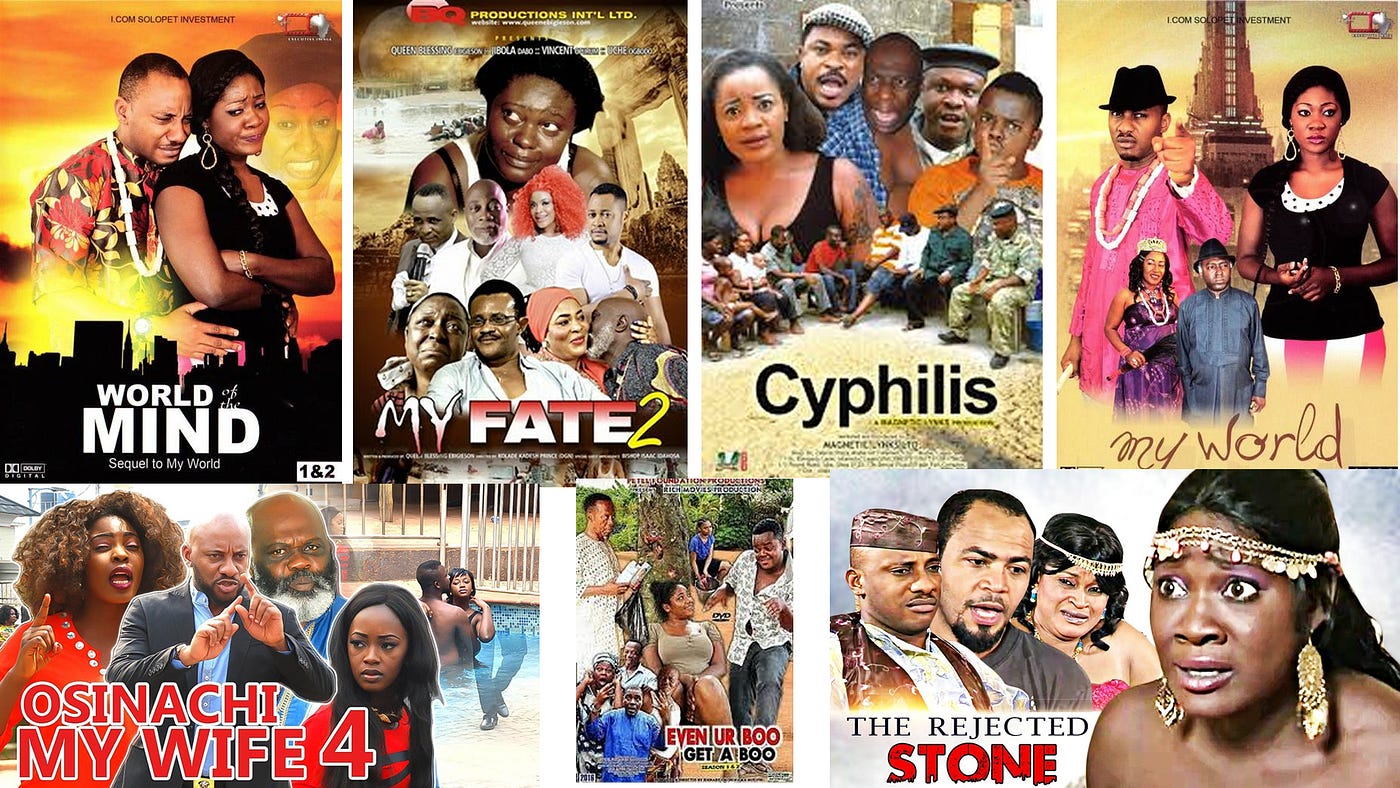
The journey of Nollywood is a testament to the resilience and ingenuity of the Nigerian people. By exploring its evolution, its economic impact, and its future trajectory, we can understand why this industry is currently experiencing its most significant transformation yet.
From VHS to 4K: The Evolution of Storytelling
The origin story of Nollywood is often traced back to the 1992 release of Living in Bondage. Produced on a shoestring budget and shot on VHS. The film’s massive success proved that there was a hungry audience for local stories told by local people. For nearly two decades, Nollywood flourished as a “home video” industry. Producing thousands of films annually with turnaround times as short as two weeks.
However, the industry has undergone a radical shift toward “Nollywood 2.0.” Today’s filmmakers have moved beyond the volume-based model to focus on high-fidelity production values. With the entry of global platforms like Netflix, Amazon Prime Video, and Showmax. Nigerian directors now have access to world-class equipment and budgets that allow for stunning cinematography. Professional sound design, and sophisticated post-production. This technical evolution has bridged the gap between Lagos and Hollywood. Making Nigerian content indistinguishable from international blockbusters in terms of visual quality.
The Streaming Revolution and Global Reach
The year 2026 marks a historic peak for Nollywood’s international visibility. The “streaming romance” between Nigeria and global platforms has fundamentally changed how films are distributed and consumed. In recent years, Netflix and Amazon Prime have aggressively courted Nigerian content creators, signing multi-year licensing deals and commissioning “Originals” that are marketed to a global audience.
This shift has created a feedback loop of quality. As Nigerian filmmakers realize their work is being viewed in London, New York, and Tokyo, they are raising their standards to meet global expectations. Films like Funke Akindele’s Behind The Scenes (2025) and Toyin Abraham’s Oversabi Aunty have not only shattered local box office records but have also trended internationally on streaming charts. This global exposure has turned Nollywood stars into household names far beyond the borders of West Africa, creating a new generation of African icons.
Economic Impact and the 20 Billion Naira Milestone
Beyond the glamour of the red carpet, Nollywood is a vital pillar of the Nigerian economy. In the first quarter of 2026 alone, the industry hit a six-year high in ticket sales, with Nollywood titles accounting for over 73% of total admissions in local cinemas. Projections suggest that the gross box office revenue for the Nigerian movie industry could surpass 20 billion Naira by the end of 2026.
The industry is one of the country’s largest employers, providing jobs for thousands of actors, directors, technicians, and digital marketers. Moreover, the growth of the industry has spurred investments in related sectors, such as film academies, luxury cinema chains, and catering services. The “statistical effect” of Nollywood’s growth is now a key component of Nigeria’s non-oil revenue, proving that intellectual property and creative talent are just as valuable as natural resources.
Challenges in a Maturing Market
Despite its success, the Nigerian movie industry faces significant hurdles as it matures. Industry leaders have emphasized the need for better data structures and government policy support to unlock the sector’s full economic potential. Accurate data on annual output and revenue remains a challenge, hindering the industry’s ability to attract large-scale institutional financing.
Furthermore, while the “riches are in the niches,” there is a growing concern about distribution. To reach the next level, Nollywood must strengthen its local distribution channels to ensure that even those outside major urban hubs like Lagos and Abuja can access quality cinema. There is also a continuous push to move from “volume to value”—ensuring that the rapid pace of production doesn’t come at the expense of deep, authentic storytelling that can stand the test of time.
Conclusion
The Nigerian movie industry is currently at an inflection point. It has successfully transitioned from a localized video-on-demand experiment into a sophisticated, globally recognized cinematic powerhouse. By blending authentic African narratives with world-class production standards, Nollywood has proven that local stories can have a universal impact.
As we look toward the future, the continued partnership with global streaming giants and the resurgence of the domestic box office suggest that Nollywood’s best days are still ahead. The industry is not just shaping the culture of a nation; it is shaping the future of African economic growth. For the global viewer, Nollywood offers a fresh, vibrant, and unapologetically African perspective on the human experience—one that is finally receiving the spotlight it deserves.